

This story was first published to the website of the New Zealand Skeptics, and is reprinted here with permission.
As a woman of a ‘certain age’, I am finding that as I scroll through social media I am being ambushed by sponsored posts promising to “banish hot flashes for good” and “restore youthful balance with one natural pill a day” or, more recently, “balance” my cortisol. It seems I’m not alone.
The internet is overflowing with miracle menopause supplements making promises to cure all my ills. Between pastel-toned Facebook ads and in-game adverts offering the secret to “natural hormone harmony”, it’s easy to wonder – are these little bottles full of botanical wizardry, or just expensive hype with a fancy hashtag? In this article, I’ll sift through the marketing sparkle and find out if any of these social-media-famous potions actually deliver, or if they’re just trending for all the wrong reasons.
‘Natural’ hormones
First things first: a little lesson on hormones.
Progesterone is important for protecting the uterus lining if you take oestrogen. That’s why people taking oestrogen as hormone replacement therapy will be prescribed progesterone as well. Inadequate or fake ‘progesterone’ can increase the risk of this lining thickening, causing bleeding or even cancer. This is one reason why medical guidelines do not recommend ‘natural’ supplements for menopause treatment. If you get it wrong, for example taking ‘natural’ progesterone alongside prescription oestrogen, it can harm you.
There are also other safety risks. The content of these supplements is unregulated, so you don’t know what you are getting. Along with that, there is a possibility the contents are contaminated with other ingredients, there’s a risk of drug interactions and, worryingly, such supplements may also mask the symptoms of real hormonal disorders that need to be checked out properly.
Soy
Although it is claimed that the phytoestrogens in soy – isoflavones – can weakly mimic oestrogen, evidence only shows that it possibly has some cholesterol-lowering effects. Most studies have not shown consistent or significant benefits for symptoms such as hot flashes or night sweats, and any effects appear to be modest at best. It is not effective as a hormone treatment.
Wild Yam Extract
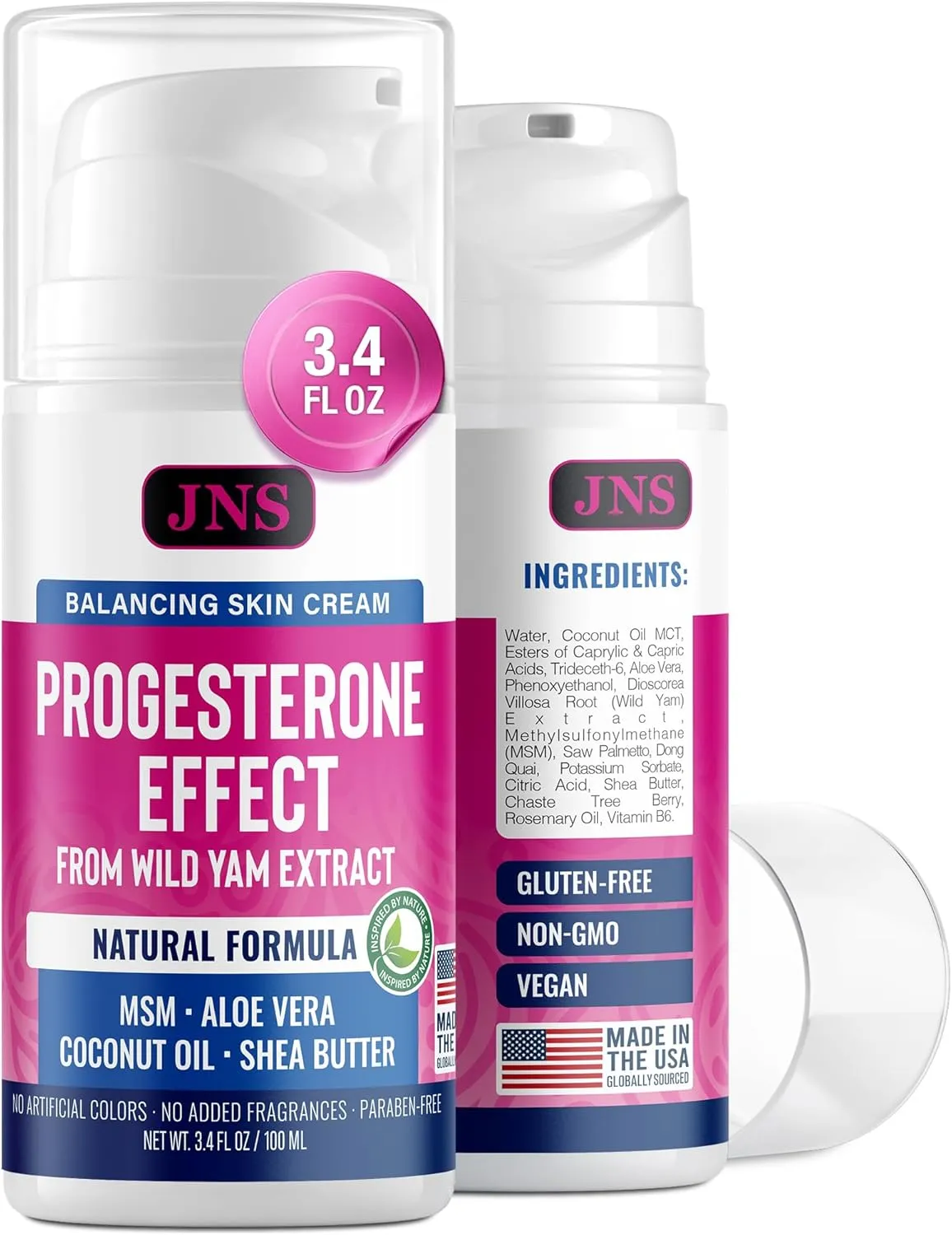
Claims that yams have ‘body identical progesterone’ are unhelpful. The human body cannot make progesterone from yams. This is a myth. Wild yams (especially Dioscorea species) contain a plant compound called diosgenin. Diosgenin can be converted into progesterone in a laboratory, but human bodies cannot perform this conversion. The enzymes needed to turn diosgenin into progesterone do not exist in humans. That means eating yams does not raise progesterone levels, so “Yam progesterone” supplements do not work hormonally. Added to this, many over-the-counter “yam creams” contain no progesterone at all.
Animal hormones
Animal hormones are often sold as ‘glandulars’ or ‘organ extracts’, or sometimes ovary, uterus, testis or adrenal supplements. They may be marketed as ‘natural hormone support’ or ‘endocrine nourishment’. To be clear, ‘hormone-boosting’ supplements made from cow or pig reproductive organs do not raise human hormone levels. Any actual hormones they contain are broken down during digestion, and what remains does not act as a hormone in the body.
Protein hormones (e.g. Luteinising Hormones – LH, Follicle-Stimulating Hormones – FSH, and insulin) are broken down into amino acids by stomach acid and enzymes. Steroid hormones (e.g. oestrogen, progesterone, testosterone) are chemically fragile, present in only in tiny trace amounts, and largely inactivated during digestion. By the time a supplement reaches your bloodstream, there is no intact, biologically active hormone. Your endocrine system cannot ‘reassemble’ hormones from digested fragments.
Hormones can be taken orally, but prescription-grade oral hormones are highly purified, given in precise, therapeutic doses and, most importantly, formulated to survive digestion and be absorbed. Oestrogen in hormone replacement therapy (HRT) is usually given via a patch or gel, rather than orally. Progesterone is usually given via a micronised pill or IUD, and sometimes via patches.
The ones that got caught out
I had a look at whether any of these supplements have had their claims challenged. As they’re unregulated, this would normally be done via an advertising standards enforcement process, after someone lays a complaint. I found a few hits from the UK, US and New Zealand.
UK
In the UK, the Advertising Standards Authority (ASA) has ruled against Happy Koala’s MenoDaily, Feel Menopause Support, FemTech’s Key for Peri + Menopause, Feminapause, Napiers the Herbalists’ Wild Yam Cream, Rejuvit, Ovira and Dirtea.
In the case of Happy Koala (sold on the Happy Mammoth site), a Facebook advert claimed that the supplement could cure symptoms of menopause. It also made health claims that referred to a rate or amount of weight loss. Happy Koala said the ad had been shown in error, and that it had been removed from being shown to consumers in the UK. It feels a bit like they may be tailoring their advertising to include whatever claims they can get away with in each country until they get caught.
US
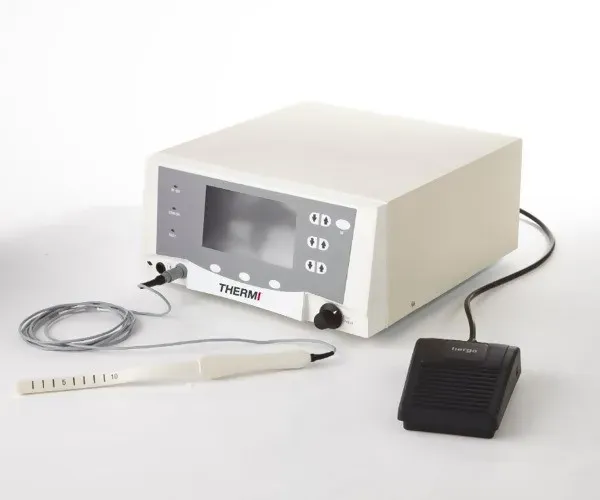
In the US, the National Advertising Division (NAD) has ruled against Interceuticals’ BetterWOMAN supplement, Elements of Health Care’s L/Arginine Plus dietary supplements, Thermigen’s ThermiVa medical device, and Happy Mammoth’s Hormone Harmony Dietary Supplement.
In case you are wondering, ThermiVa is not a supplement – it’s a quick, non-invasive, non-ablative treatment delivering physician-controlled radiofrequency energy, using a thoughtfully designed handpiece to gently heat tissue.
Did you notice that’s the second time a ‘Happy Mammoth’ related company has come up? In August 2024, NAD recommended, as part of its routine monitoring program, that:
Happy Mammoth discontinue certain health-related claims for its Hormone Harmony dietary supplement including that it “Relieves symptoms of Menopause”, “Relieves hot flashes”, “Improve sleep quality” and “Reduces bloating and gas”. Hormone Harmony contains a proprietary combination of ingredients, including fennel, chaste berry, ashwagandha, and chamomile, to ease menopausal discomfort.
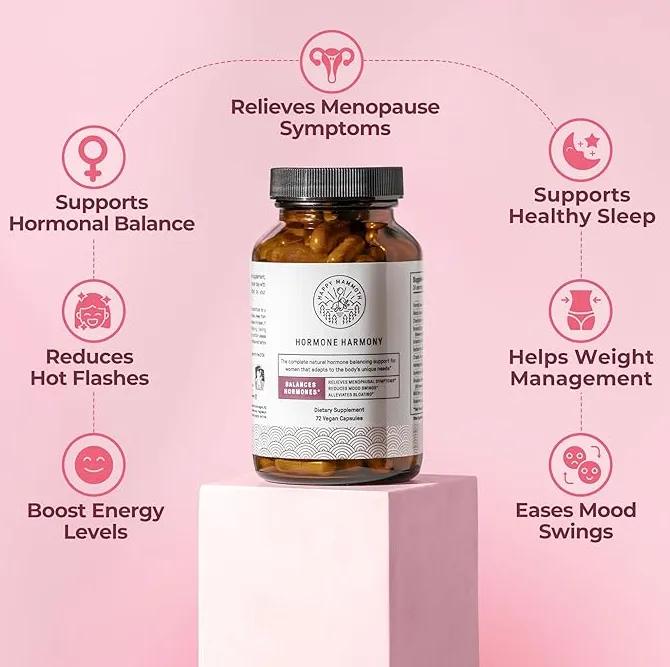
The National Advertising Division (NAD) determined that Happy Mammoth did not have a reasonable basis for the unqualified claims about the challenged benefits, as there had been no testing on the product itself. However, Happy Mammoth indicated a willingness to qualify the challenged claims to specify the efficacy of the ingredients in delivering the challenged benefits. NAD determined that the studies submitted by Happy Mammoth had limitations that rendered them insufficient to support the challenged claims, as well as the qualified claims and, therefore, recommended the claims be discontinued. NAD noted that:
nothing in its decision would prevent Happy Mammoth from:
– Making claims regarding the ability of fennel and chaste berry to positively affect menopausal symptoms that are supported by the limited findings of the research in evidence.
-Making supported claims that describe the traditional or historic use of ashwagandha to support sleep or are carefully qualified to avoid any misleading implication about the product’s efficacy or health benefits.
-Describing the traditional or historic use of chamomile in reducing bloating and gas.
Happy Mammoth agreed to voluntarily discontinue certain claims including “Relieves mood swings and boosts energy” and “Reduces . . . fluid retention.”
![Hormone Harmony supplement ad by Happy Mammoth, showing a bottle and 3 pills, with a 60 days money back guarantee seal graphic and the text "My weight gain wasn't caused by poor diet, lack of physical activity [or] genetics. It was my hormones"](https://articles.skeptics.nz/_astro/hormone-balance-claims.O3Y211Jm_Z2jkWM3.webp)
I feel like the NAD decision is almost endorsing some obtuse weaselly-worded health claims. Chaste berry, fennel, ashwagandha, and chamomile are not scientifically proven to relieve menopause symptoms. Evidence for their effectiveness is weak, limited, or indirect, with most studies showing no clear benefit over placebo. Additionally, their mechanisms of action and safety profiles are either not relevant to menopause, or not well-established.
In terms of the other ingredients in this supplement, there is no solid scientific evidence that rosemary, golden root, gymnema sylvestre leaf, or maca root effectively relieve menopause symptoms. Rosemary is mainly used for cooking, gymnema for blood sugar control, and maca’s support for menopause relies mostly on anecdotal reports and small studies, with no clear benefit for hot flashes or hormonal balance.
While most of these herbs are considered safe when used in moderation, several (especially black cohosh, ashwagandha, gymnema sylvestre, and rosemary at high doses) have been associated with rare but serious toxic effects in some individuals. People with underlying health conditions, those taking certain medications, and pregnant/breastfeeding women should exercise caution and consult a healthcare provider before using these supplements.
New Zealand
In New Zealand, we don’t see many complaints around menopause health claims at all. There is one finding that an outfit called “Premium Grounding” made unsubstantiated therapeutic claims, including around menopause symptoms – but this was an earthing bed sheet, rather than a supplement. Grounding (or ‘earthing’) sheets are designed to conduct electricity so your body can be electrically connected to the earth while you sleep. They’re made from a mix of normal bedding materials and conductive elements – silver threads, carbon fibres, stainless steel fibres, etc. According to their website:
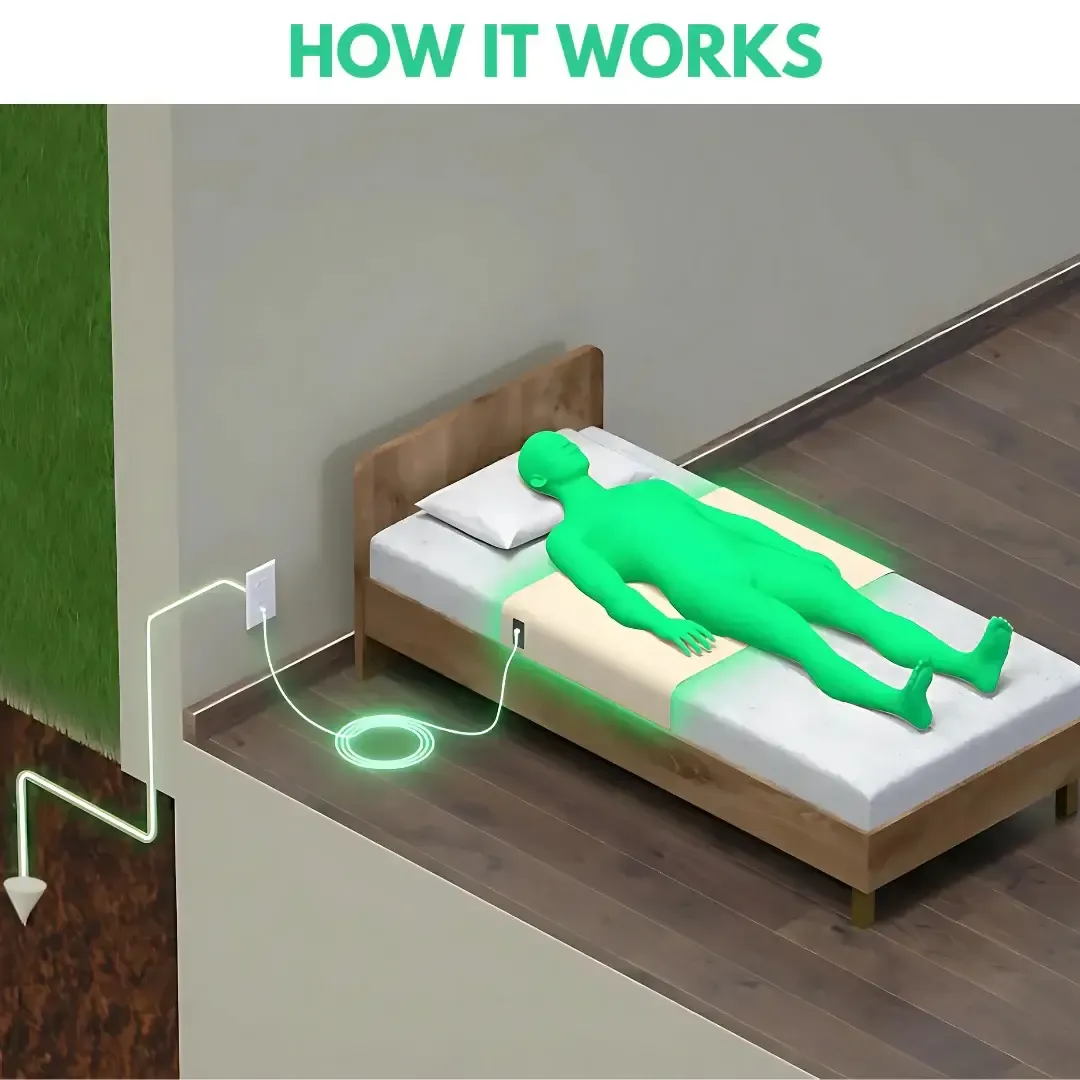
Earthing works by allowing electrons to flow from the Earth into our bodies, neutralising free radicals and reducing oxidative stress. This process has been shown to: Reduce inflammation, improve sleep quality, Lower stress levels and cortisol production, Enhance cardiovascular health, Boost immune function, Accelerate recovery from exercise
This sounds like a bunch of utter nonsense, but it’s outside the scope of this article.
So what’s up with the Mammoths?
The name that keeps coming up, ‘Happy Mammoth’, is an Australian-linked online supplement company selling products aimed at women, especially those going through perimenopause and menopause. It operates in Australia, the US, and the UK, and markets itself heavily on social media. It has been publicly slammed before for making exaggerated and false claims. Former menopause society leaders have described their adverts as “clever marketing nonsense”, and have said there’s no solid evidence that the supplements work as advertised.
The company runs thousands of ads on platforms like Facebook and Instagram, promising rapid weight loss and dramatic body changes without lifestyle changes. I have even had their ads pop up repeatedly on mobile games. Medical experts argue that the marketing preys on vulnerable women experiencing real symptoms and reinforces negative body stereotypes.
Independent customer reviews (e.g. on Trustpilot and other review sites) are mixed: some people report no benefits or negative experiences, and others feel the products didn’t do what was promised.
Conclusion
In summary, while a wide range of herbal supplements and alternative products are marketed as solutions for menopause symptoms, the available scientific evidence supporting their effectiveness is limited and often inconsistent. Marketing may exaggerate benefits while downplaying potential risks. Ultimately, informed decision-making and consultation with a doctor remains the best approach to managing menopause symptoms safely and effectively.