




Scientific pursuits are often inspired by a very simply formulated question that has anything but a simple answer. For longevity researchers the question is simple enough: “What causes ageing?” A veritable explosion in theories regarding this primary question have been debated for well more than a hundred years, and there doesn’t seem to be much more clarity today than existed in the 1920s.
Researchers have proposed everything from the “programmed ageing” model (the idea that ageing is a process imbued by evolution for species advantage) to the “free Radical theory” (that suggests free radicals – an atom or molecule that has at least one unpaired valence electron – bounce around the body continuously creating damage that eventually overloads repair mechanisms). Yet consensus among researchers remains elusive.
Amid the many theories is an idea sometimes referred to as “inflammageing”. This model contends that ageing is driven, at least in part, by systemic chronic low-grade inflammation that, over time, lays waste to the body. Whether or not this inflammageing is the driver of ageing or one component among many is beyond the scope of this article, but researchers are in general agreement that systemic low-grade inflammation is not optimal for health. Longevity scientists have, therefore, taken an interest in factors that contribute to this kind of chronic inflammation.
Through decades of research, it became apparent that senescent cells where implicated for at least a portion of this inflammation. Senescent cells are characterised by cellular damage such that the cell is unable to undergo cellular division and thus replicate. These cells remain alive despite being dysfunctional and unable to divide. They also are associated with something researchers have termed “SASP” or senescence‐associated secretory phenotype. The secretory phenotype of senescent cells includes inflammation-inducing molecules like immunological modulators, cytokines, and growth factors. These secretions essentially poison the intercellular matrix and nearby cells, leading to further immune action, chronic inflammation, tissue damage, and accelerated ageing. Naturally, there has been an interest in clearing the body of these ‘poisonous cells’ to reduce the damage done to healthy cells and postpone a little of that ageing.
Enter senolytics. Senolytic drugs are defined as any molecule that can selectively kill senescent cells while leaving healthy tissue undamaged. There are a lot of potential senolytic drugs out there, with various different potential mechanisms, and scientists have been trying to untangle their safety and effectiveness for a while now. One mechanism by which a senolytic drug might be effective against senescent cells is by inhibiting molecular pathways that prevent apoptosis (programmed cell death). Senescent cells often develop many ways of preventing their own death and avoiding molecular signals that ‘tell’ them to undergo apoptosis and die. Therefore, if we can target the pathways that are keeping the senescent cell alive, it will naturally die and stop poisoning the tissue around it.
This is when scientists got interested in a potential longevity cocktail: dasatinib and quercetin, often dubbed D+Q. Dasatinib was originally a chemotherapeutic agent used to treat specific types of leukaemia. It interested longevity researchers because it seems to inhibit Src-family kinases, upstream enzymes implicated in survival pathways. The thought was: inhibit these enzymes and the survival pathway would collapse, thereby killing the senescent cell – which sounds great, but there are unaddressed issues. One is that inhibiting Src kinases may not always lead to apoptotic cells because, depending on the specific tissue the cells are part of, they may have developed other survival pathways.
Alternative routes for the senescent cell to survive include the PI3K/AKT/mTOR signaling pathway. But there’s also a molecule that can target and inhibit this pathway, it’s the plant flavonoid quercetin, found in fruits, vegetables, and grains. See, it’s even ‘natural’! Knowing all this, researchers are obviously interested in using a cocktail of these molecules to inhibit senescent cells’ survival pathways. The idea is that if dasatinib can’t inhibit the survival pathway then quercetin will get it, and vice versa.
This is all wonderful in theory, but how does it do in the actual research? Evidence that the cocktail works as predicted came from pilot studies involving people who had diabetic kidney disease (which is worsened by the presence of senescent cells). Researchers found that D+Q did indeed seem to reduce both the presence of senescent cells and the indicative SASP profile.
There are problems with this pilot though: it was open label, there were only nine participants, and they all had diabetic kidney disease. The results are interesting, but nothing to make a judgement on. There are other pilots, though, and they also had some interesting findings. One study was interested in people who had idiopathic pulmonary fibrosis. They found that patients treated with D+Q had significant improvements for gait speed and a 6-minute walking exam. SASP measures, however, were inconclusive. This study was also open label, small (N=14), and lacked a control group.
There are other reasons to be skeptical of the D+Q cocktails’ effectiveness. One study on bone metabolism found negative results for patients treated with D+Q. Senescent cell accumulation would presumably contribute to morbidities like bone loss, yet this larger study (N=60) found no difference in bone resorption for postmenopausal women. To be fair, this study also found an interesting difference between the control and intervention group among women with the greatest senescent cell burden, so more research is necessary.
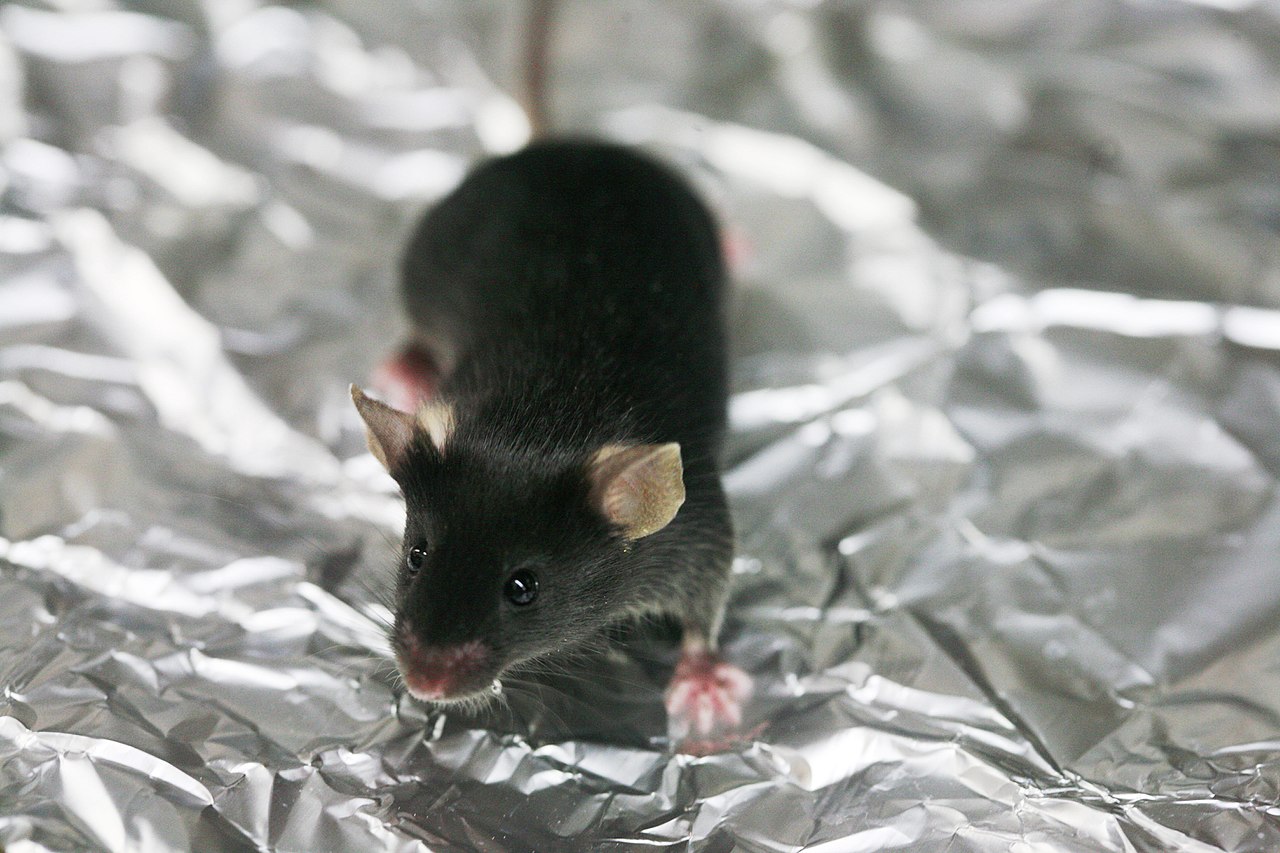
On the other hand, there are studies that indicate D+Q can not only improve physical function, but also increase lifespan. That exact phrase, in fact, is in a 2018 study published in Nature. Researchers found that intermittent ‘hit-and-run’ Q+D treatment reduced physical dysfunction and reduced mortality hazard by a whopping 65%… in mice. In fact, there are quite a few positive studies on Q+D in mice, and those results are encouraging, but the lack of translation into human models is also concerning.
Beyond these studies, there are reasons to be critical of D+Q for generalised ageing control. While it is established that D+Q can very much kill senescent cells, it is also clear that it doesn’t kill all senescent cells. Senescent cells are extremely heterogeneous. In this way they are like cancers and, therefore, very difficult to treat. It may be that D+Q has a specific target that it works well against, while doing nothing against other targets.
Further, D+Q is not side effect-free – after all they are indeed drugs that have wide-ranging physiological effects. Dasatinib already has a long list of side effects and contraindicated drug interactions when it is given as a leukaemia treatment. Of course, the dosing for D+Q to be used as a senolytic would be different and therefore less likely to cause side effects, and in the aforementioned recent human trials it seems to be tolerated fairly well. Then again, these are small, short-term studies and it may be that there are serious side effects for some sub-population or the side effects that have been noted will be more prevalent in the general population.
Overall, the concept of D+Q is sound, and we may find applications for its use in medicine, and even in the longevity field. However, there are many hurdles to overcome before this combination is given as an effective senolytic, and the question remains of whether it will improve overall morbidity or extend life in any way.
It would actually be very surprising if this combination drug were to be used as a general senolytic or anti-ageing agent, given the fact that senescent cells are so diverse and some have already proven resilient to D+Q. Indeed, there remains the question of whether or not such a treatment could even exist in principle, and I doubt we have found it with D+Q.