

During the last QED there was a lot of nostalgia and discussion of how we can rebuild the diverse range of communities and projects the UK skeptical movement sustained during the twenty-tens. There were also discussions on how skepticism can best reach young people, harnessing their natural curiosity, while steering them away from cynicism.
I had a lot of time to reflect on these as I drove home from Manchester, in and out of the rain clouds and through the stunning landscape of the Peak District. I was on my way to a small campsite outside of Buxton on a planning visit to relaunch a skeptical project which aims to answer some of those questions – Camp Quest UK.
Camp Quest – the skeptical, secular, humanist summer camp – isn’t a new idea: we ran in the UK from 2009-2019, and next year we celebrate the 30th anniversary of the Camp Quest movement.
We took a hiatus for similar reasons many Skeptics in the Pub groups have closed over the last few years: the Covid pandemic, venue costs, promotional problems, volunteers moving on to other projects and questions over our purpose in the UK’s changing conversation about beliefs and skepticism. We’re relaunching for the same reasons Skeptics in the Pub are popping up again. We think social problems like climate-denialism, artificial intelligence and online radicalisation/alienation are crying out for compassionate skepticism, and we realise that the communities which sustain that type of skepticism aren’t going to build themselves.
Skepticism can be associated with aloofness and elite or academic conversation. Skeptics in the Pub challenges that stereotype by moving skepticism into a place associated with more social friendly conversations. Camp Quest UK also moves skepticism into different spaces, and reaches different age groups.
By getting young people out of their familiar surroundings, into different activities and away from cynicism and expectations, they are able to explore more freely. In previous camps, young people learned hands-on skeptical investigation skills from volunteers and special guests such as Michael Marshall.
We have a unique approach of mixing physical and traditional camp activities with sessions focused on developing critical thinking, and personal, philosophical and scientific discovery. Young campers may be drawn more to one aspect or another, but both work together. Once everyone’s been tipped in the lake young people can be less worried about seeming cool and cynical. Showing off their confidence on the zipline can give a young person the confidence to speak up in a philosophical discussion. Having to work together on a treasure hunt improves young people’s listening skills and observation, and reconnecting with nature can be a great way to gain perspective.
Silliness can be the best way to draw attention to serious issues and playing with our fears in a safe environment helps us understand the limits of our rationality. Movement skepticism can be most successful when it embraces these juxtapositions.
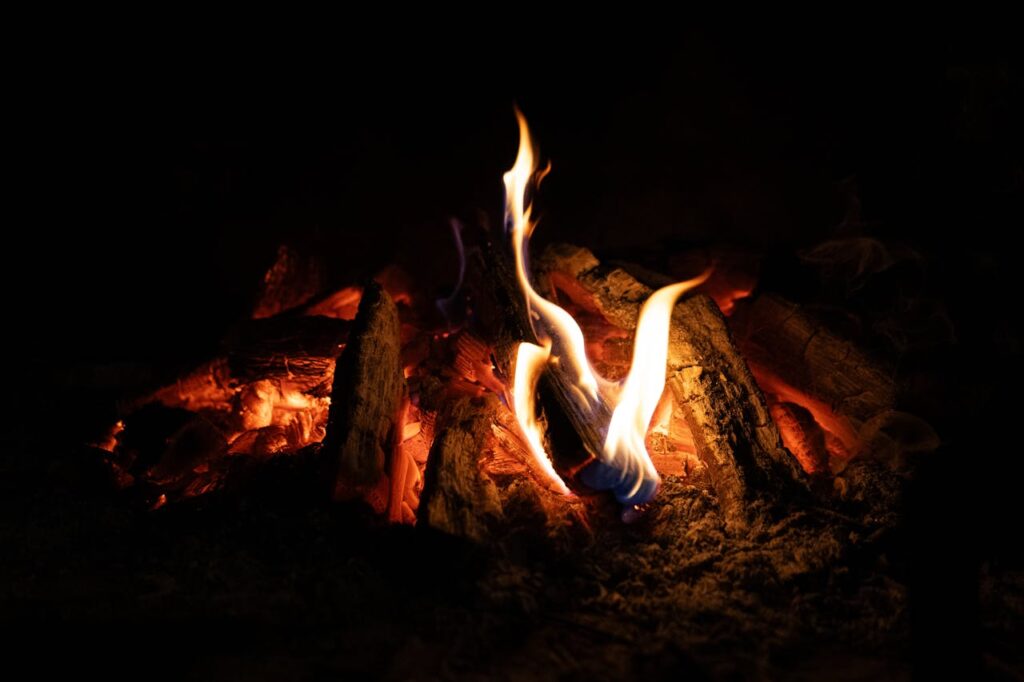
At this year’s QED there was a panel on ‘Why Do Skeptics Love Horror?’ which explored how a genre associated with an escape from logic and scientific realism can be so engaging for skeptics. It reminded me of the strange mix of ghost stories, philosophical discussion and reflection on the day’s experiments that you find around the campfire at Camp Quest UK. These moments show that skepticism and curiosity are as deeply ingrained in our nature as community building and storytelling.
This reminded me of something Andrew Copson, Humanists UK’s CEO, said of the Camp Quest UK relaunch: “Since the dawn of our species, humans have had an innate drive to gather round the campfire to share ideas, stories and community. Around one of those campfires the first scientists asked what caused the flames, the first philosophers asked why we are here and the first humanists were inspired to believe human endeavours could conquer the darkness. Camp Quest UK will provide opportunities for future generations of freethinkers and skeptical explorers to continue in that great tradition.”
We believe there is a niche for Camp Quest – for children, young people and families interested in freethought, and asking big, small and weird questions. A safe place for those who may not fit in traditional summer camps. A place away from overwhelming misinformation and cynicism, where skeptical young people can have their curiosity nurtured and their critical thinking skills developed, while – most importantly – having fun.
As my colleague Helen Chamberlain – a mainstay of the Camp Quest UK community since 2012 and a member of our new committee – said: “As society continues to become more polarised and it becomes harder to discern fact from fiction I think it’s so important for spaces like Camp Quest to exist, to encourage critical thinking and compassionate skepticism. When planning my first session I was advised to not underestimate the campers – and they were right. Over the years we covered everything from quantum mechanics, to medical ethics, to how magic tricks work – and it definitely did create a space for young people to think deeply, discuss complex topics with respect for other opinions and embrace curiosity.”
The family camp will be at a smaller scale than previous outings, and at a campsite rather than activity centre. But this will allow us to experiment with new approaches and provide parents an opportunity for input on the model. It will be a chance to meet other skeptical parents – exchanging ideas and strategies for raising ethically engaged, curious and critical thinkers.
The Family camp will take place near Buxton in the Peak District over the May 2026 bank holiday weekend. Tickets are £250 from www.CampQuest.uk