




The end of March 2025 saw a controversy involving the public health system in the city of Rio de Janeiro: on the 19th, the Official Municipal Gazette published a decree that included healing traditions linked to Afro-Brazilian culture – such as smudging, foot baths, and herbal baths – in the list of integrative and complementary practices (PICs) to be offered by the city’s Unified Health System (SUS). Six days later, the decree was revoked by Mayor Eduardo Paes (PSD).
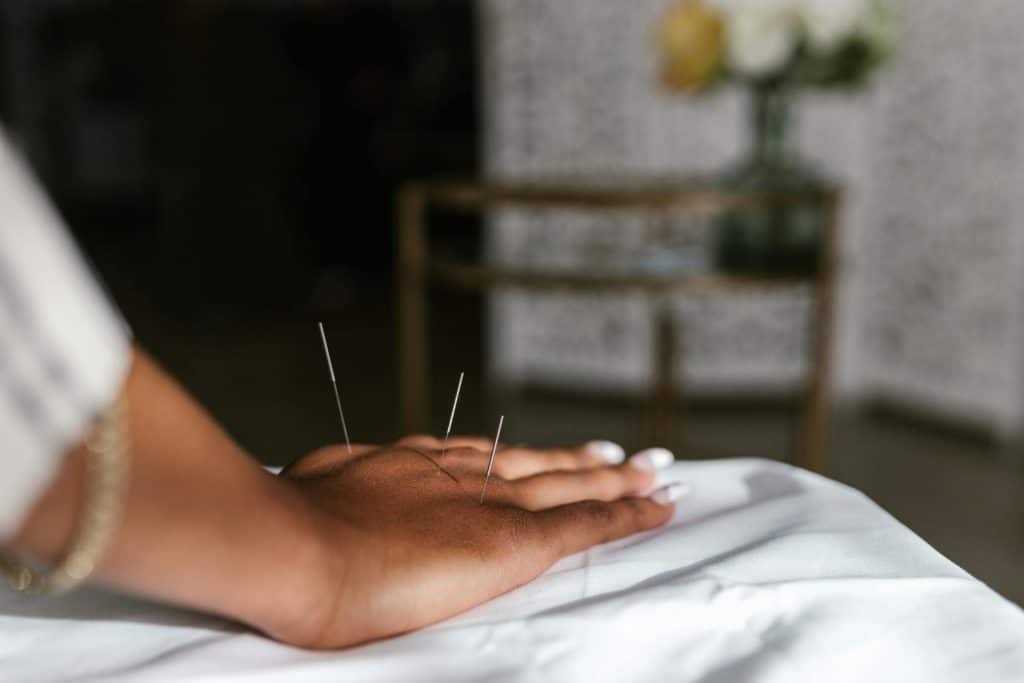
Prominent figures in the Black movement accused the mayor of “religious racism.” City Hall issued a statement (reprinted on the G1 news website) stating that the revocation complied with the principles of a secular state and respect for science. These are undoubtedly good principles. But it would be easier to take the justification seriously, at least in the case of the appeal to good science, if the Rio de Janeiro SUS did not offer consultations with acupuncturists and homeopaths (adult and child), both practices without scientific support and based on magical thinking. Abundant information and references on this subject can be found in the book Que Bobagem!, which I wrote in partnership with Natalia Pasternak.
Pressure for the integration of Afro-Brazilian practices into the Unified Health System (SUS) has been building since the publication of the National Health Council’s Guideline 46, which is cited in the original decree issued by Rio de Janeiro City Hall. Given the way the list of procedures covered by the Unified Health System’s National Policy for Integrative and Complementary Practices (PNPIC) is structured – lobbyists get their way, science be damned – this is an understandable and natural development.
The intertwining of Afro-Brazilian healing practices with religious beliefs and rituals certainly complicates the situation. With the precedent set, what will prevent SUS funds from being used to pay for, among other things, “unburdening sessions” in millionaire neo-Pentecostal temples? However, the underlying problem is the very existence of the PNPIC.
This policy was born with a vague appeal to “tradition”, and in this aspect the incorporation of Afro-Brazilian healing practices makes much more sense than that of family constellations, ozone therapy, chiropractic and several other modalities created in North America or Europe less than two hundred years ago (in some cases, just a few decades ago), that were virtually unknown in Brazil until a few years ago.
By abandoning quality scientific evidence as a guiding criterion, the PNPIC becomes a free-for-all where the only real criterion for inclusion or exclusion is the political power of the interested groups. And even if the Policy did in fact only contemplate traditional and popular practices, antiquity and popularity do not guarantee efficacy or safety. Examples such as bloodletting – recorded in all parts of the world – or the use of the toxic and carcinogenic herb Aristolochia – consumed in medicinal preparations in Europe and Asia – show that “healing” practices that actually shorten patients’ lives and increase their suffering can survive for millennia as part of culture, until they are exposed by adequate scientific testing.
The decree revoked by Mayor Eduardo Paes provided, in its final article, that those involved in health care should respect the patient’s beliefs and traditions, adopting an approach free from prejudice and taking into account any dietary and clothing restrictions of a religious nature.
This final point should have been preserved. Respect for scientific evidence is a necessary condition for effective health care, but it is far from sufficient. The PNPIC is sometimes defended as an attempt to fill the gap, but it doesn’t achieve enough by undermining or downplaying what is necessary.
This story was originally published by Revista Questão de Ciência in Brazil. It is translated and reprinted here with permission.